Consumption of Copper and Aluminum in China’s Cable Industry: Current Trends and Forecast to 2035

China occupies a central position in the global cable industry — both as the largest consumer of copper and aluminum and as a leading producer of cable products. In recent years, the structure of conductor metal usage has been shifting, with aluminum increasingly replacing copper in those segments where it is technologically feasible.
Current Situation: 2020–2025
Copper
In 2024, China’s total copper consumption exceeded 15 million tons, with about 60% of that volume going to the cable industry — power cables, wires for energy, construction, and telecommunications.
Domestic copper production amounts to 1.8–2 million tons per year, covering only about 30% of demand — the rest is imported, mainly from Chile, Peru, and the Democratic Republic of Congo.
The rising cost of copper in global markets puts pressure on cable production costs and pushes manufacturers to seek alternatives.
АAluminum
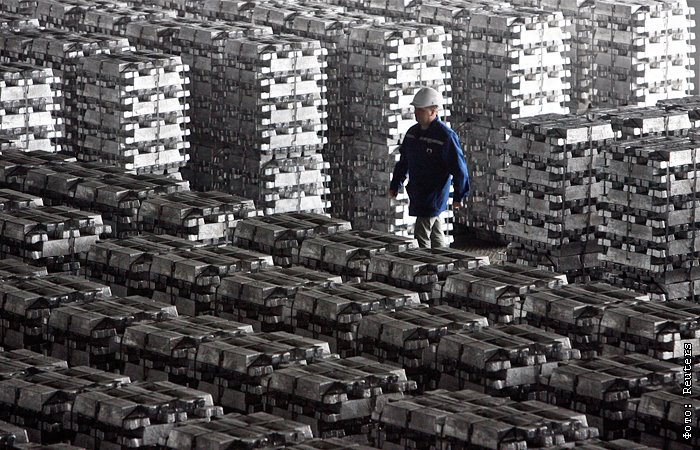
In 2023, China produced more than 39 million tons of primary aluminum, accounting for over 55% of global output. Consumption of aluminum in the cable industry is estimated at 3–4 million tons per year and is growing at 5–6% annually.
Reasons for the shift toward aluminum:
- Price — aluminum is roughly three times cheaper than copper.
- Raw material independence — China is almost entirely self-sufficient in aluminum.
- Technological improvements — new alloys and technologies make aluminum conductors more reliable and durable.
- Energy megaprojects — construction of ultra-high voltage (UHV) transmission lines requires large cross-section aluminum conductors.
By 2025, the share of aluminum cables in China has approached 40%, compared to no more than 25–27% a decade earlier.
Forecast: 2025–2035
Rising demand for copper
Global copper demand in the power grid sector alone could reach ~14.9 million tons by 2030, while China’s total copper consumption is expected to rise to 16.9 million tons (+5–6% CAGR). Key drivers include the development of renewable energy, transportation electrification, growth of data centers, and digital infrastructure expansion.
Strengthening aluminum’s position
The aluminum cable and wire market is expected to grow rapidly:
- In China, the aluminum wire market may reach ~USD 24.5 billion by 2030 (CAGR 6.2%).
- The global aluminum cable market will grow to ~USD 38 billion by 2032 (CAGR 5.3%).
Aluminum will continue expanding its share in overhead lines, distribution networks, and segments where cost, weight, and ease of installation are critical.

Long-term implications
- Copper will retain leadership in segments with high technical requirements: high-capacity power cables, cables for data centers, telecommunications, and transportation, where minimal losses and compact design are essential.
- Aluminum will continue to take a larger share in mass infrastructure projects — distribution networks, overhead lines, and construction.
- China will remain the global leader in both production and consumption of these metals, with aluminum’s share in the cable industry growing faster than in Russia and the CIS, thanks to its technological base and large-scale state programs.
Conclusion
China’s cable industry shows a steady trend toward material diversification: aluminum is gradually taking over in segments previously dominated by copper. By 2030–2035, aluminum’s share in cable conductors is expected to reach 40–45%, while copper will retain its strategic role in applications where its physical properties remain critical. For the global market, this implies growth of hybrid solutions and increased focus on optimizing cable design with respect to metal costs.